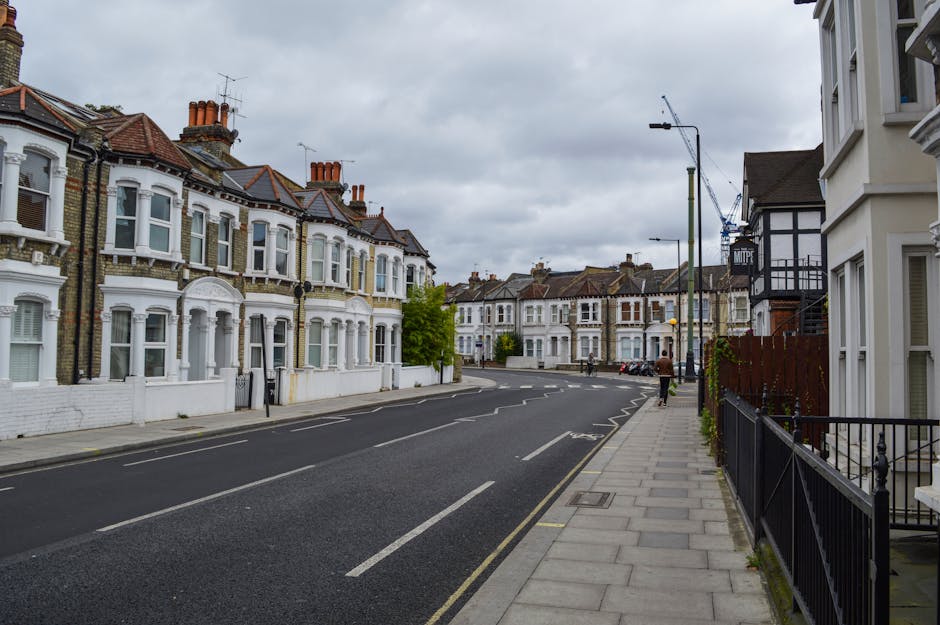
Westminster council moving permits for Maida Vale moves: what you need to know before moving day
If you are planning a move in Maida Vale, the permit question can sneak up on you fast. One minute you are thinking about boxes, keys, and the last meter reading; the next, you are trying to work out whether Westminster council moving permits for Maida Vale moves apply to your street, your van, or the exact hour you want to load. It is a familiar headache. And to be fair, it can be the difference between a calm move and a very awkward morning with nowhere to stop.
This guide breaks the topic down in plain English. You will learn why moving permits matter in Westminster, how they usually fit into a Maida Vale relocation, what kinds of moves tend to need extra planning, and where the common traps are. We will also cover practical steps, a comparison of moving approaches, and a checklist you can actually use. If you want the move to feel organised rather than improvised, you are in the right place.
Table of Contents
- Why Westminster council moving permits for Maida Vale moves matters
- How Westminster council moving permits for Maida Vale moves works
- Key benefits and practical advantages
- Who this is for and when it makes sense
- Step-by-step guidance
- Expert tips for better results
- Common mistakes to avoid
- Tools, resources and recommendations
- Law, compliance, standards, or best practice
- Options, methods, or comparison table
- Case study or real-world example
- Practical checklist
- Conclusion
- Frequently asked questions
Why Westminster council moving permits for Maida Vale moves matters
Maida Vale has that classic London mix: handsome residential streets, tight parking, controlled bays, busy junctions, and a fair amount of competition for kerb space. That matters because a moving van is not just "another vehicle". It is large, slow to unload, and often needs close access to your front door, flat entrance, or loading point.
Without the right permit or parking arrangement, the practical problems start quickly. The van may have to park too far away. The crew may need to carry furniture further than expected. A lift might be missed, traffic can get in the way, and suddenly the whole schedule slips. One small delay at 8:15 in the morning can still be annoying by lunchtime, honestly.
This is especially important in Westminster because the borough is known for controlled parking and limited stopping space. Even if your move is only a short one, you cannot assume there will be room outside your building. That is the real issue. People often focus on the distance between homes and forget that the hardest part is sometimes the final 20 metres from van to doorway.
If you are moving from a flat, a converted house, or a basement property, the stakes are even higher. Staircases, concierge rules, and narrow access all add up. In those situations, moving permits and parking planning are not just admin. They are part of the move itself.
Practical takeaway: if your move depends on being able to stop near the property, treat parking and permit planning as a core task, not an optional extra.
How Westminster council moving permits for Maida Vale moves works
In simple terms, a moving permit or parking arrangement is there to help a removal vehicle stop legally and safely while loading or unloading. The exact process can vary depending on the street, the bay restrictions, local parking controls, and the size of the vehicle involved. Westminster council is the decision-maker for public highway parking in the area, so it is the rules on the street that matter most, not what feels convenient on the day.
For many Maida Vale moves, the main questions are:
- Can the van stop close enough to the property to load safely?
- Is there a bay, waiting restriction, or resident-only parking issue?
- Does the road need special authorisation for a moving vehicle?
- Will a larger removal truck fit better than a smaller van, or worse?
It is also worth remembering that not every move needs the same setup. A compact one-bed flat move may be manageable with a small vehicle and careful timing. A family home move or office relocation may need more formal parking planning, more hands, and more time on site. That is where services like man and van support or a larger removal van can be helpful, depending on the amount of furniture and the street layout.
In many real moves, the permit issue is not about bureaucracy for its own sake. It is about keeping the vehicle in the right place at the right time. If the crew can park close by, furniture comes out smoothly, hallways stay clear, and the whole process feels less frantic. That is the part people notice on the day.
What usually affects the permit decision
Several practical factors tend to shape how a Westminster move is handled:
- the road layout and available kerb space
- the time of day you want to move
- the type and size of vehicle being used
- the presence of single yellow lines, bays, or loading rules
- building access such as lifts, stairwells, or shared entrances
You do not need to become a parking specialist. You just need to plan early and make sure the move setup matches the street conditions.
Key benefits and practical advantages
The biggest benefit of planning Westminster council moving permits for Maida Vale moves properly is simple: less stress. But there are a few more practical gains that matter just as much.
- Better access: the van can stop closer to the property, which reduces carrying time and physical strain.
- Faster loading and unloading: fewer trips mean less chance of delays and fewer chances to bump furniture or walls.
- Lower risk of parking penalties: good planning reduces the chance of awkward last-minute parking decisions.
- Safer handling: short carries are usually safer for bulky items like wardrobes, mattresses, and appliances.
- More accurate scheduling: if the vehicle access is sorted, the rest of the move is easier to time properly.
There is also a quieter benefit people do not always think about: confidence. When parking is sorted, you stop second-guessing the day. You can focus on the things that actually need your attention, like key handover, fragile items, or whether the kettle has been packed away somewhere wildly inconvenient. Happens more than you would think.
For anyone moving into or out of a flat in Maida Vale, good access planning can be especially valuable. If you are comparing options, a professional team offering flat removals or home moves will usually understand how local access and parking restrictions shape the job.
Who this is for and when it makes sense
This topic is relevant to anyone moving into, out of, or within Maida Vale where the van needs to use public road space. That said, some people need to think about it much earlier than others.
You are especially likely to need permit planning if you are:
- moving from a flat on a controlled street
- using a larger van or lorry for furniture and boxes
- moving during a busy weekday morning
- dealing with limited or no driveway access
- relocating from a block with shared entrances or concierge rules
- moving office equipment, stock, or heavier items
If you are a student moving a few boxes and a suitcase, the situation may be simpler. If you are moving a piano, a dining table, and half a kitchen, not so simple. In that case, a service such as piano removals or furniture removals may come into the picture, alongside access planning.
Businesses should also pay close attention. Office moves and commercial relocations often involve staff schedules, IT equipment, deliveries, and tighter time windows. A carefully planned office relocation service or commercial move can make the access side feel a lot more manageable.
Step-by-step guidance
If you want a calmer move, follow a straightforward process rather than leaving everything until the week before. That is usually where the mess starts.
- Check the property access first. Walk the street, look at bay markings, note the width of the road, and think about where a van could reasonably stop.
- Match the vehicle to the job. A smaller van may be easier on a narrow street, while a larger truck may reduce the number of trips. There is no perfect answer every time.
- Identify the load and unload points. If there are long walks, lifts, or staircases, build those into your timing.
- Confirm whether parking control affects the date and time. This is where Westminster council moving permits for Maida Vale moves become relevant, because the wrong time slot can complicate everything.
- Plan for buffers. Give yourself more time than you think you need. A move that looks simple on paper can turn into a staircase marathon by 10:30.
- Prepare the property. Clear hallways, protect floors if needed, and keep small valuables separate.
- Stay reachable on moving day. If the driver or team needs a quick decision, being unavailable can slow things down more than the parking itself.
If you are booking professional help, ask them how they handle access and parking. Good movers will talk about this naturally because, in London, it is one of the first things that affects the day. You can also review the company's insurance and safety information before the move, which is sensible when large items are being carried through shared spaces.
A small but useful habit: take photos of the frontage, the parking area, and any signage a day or two before the move. It sounds almost too obvious, but it can save a lot of back-and-forth later.
Expert tips for better results
There are some small habits that make Maida Vale moves noticeably easier. None of them are glamorous. They just work.
Start earlier than you think you need to
Parking planning and packing rarely become easier by waiting. If anything, they become a bit more argumentative. If the move is happening on a Friday or at month-end, allow extra breathing room. Those dates tend to be busy, and that is not just an impression from a stressed-out mover; you will feel it on the street.
Use the right size vehicle
Sometimes people assume a larger vehicle is automatically better because it fits more in one go. Not always. On a tight Maida Vale street, a more compact vehicle can save time because it can stop closer to the door and manoeuvre more easily. If you are comparing vehicle options, a moving truck, removal truck hire, or a smaller man with van setup may suit different parts of the same move.
Pack with access in mind
Pack the items you will need first in a way that makes them easy to reach. The obvious stuff, yes, but also the less obvious things like tea bags, phone chargers, and basic cleaning supplies. If the van is parked a little further away than planned, you do not want to be hunting through twelve boxes for one kettle plug.
Keep buildings and neighbours in the loop
In blocks with shared entryways or narrow communal corridors, a quick heads-up can prevent friction. People are usually much more relaxed when they know a move is happening. It sounds basic, because it is basic. Still matters.
Choose movers who understand local conditions
Local knowledge counts. A team that regularly handles Maida Vale removals is more likely to plan around access limitations, building rules, and timing pressure. If you want a broad service overview, the main removal services page is a useful place to understand the wider support available.
Common mistakes to avoid
Most moving problems are not dramatic. They are usually small planning misses that snowball. Here are the ones that trip people up most often.
- Leaving parking planning too late. By the time you realise the street is tight, it can be harder to adjust.
- Assuming a van can "just stop briefly". That idea has caused many a bad start to the day.
- Booking the wrong vehicle size. Too small and you need multiple runs; too large and access becomes awkward.
- Forgetting about lift access or stairs. These can affect timing just as much as the road outside.
- Not checking whether the new property has restrictions too. Moves work in both directions. Out and in.
- Overpacking boxes. Heavy boxes may be harder to carry from the van to the door, especially if access is limited.
Another common issue is poor communication. If you are moving with a team, make sure everyone knows the address, access instructions, and what should be loaded first. The moving crew should not need detective skills. Helpful, yes. Psychic, no.
Tools, resources and recommendations
You do not need a mountain of equipment, but a few practical tools make life easier.
- Box labels: use room names and priority markers such as "open first".
- Measuring tape: helps you check whether large furniture will fit through doors, halls, or lift entrances.
- Protective wrapping: useful for mirrors, lamps, and awkward corners.
- Floor protection: helpful in period properties or shared entrances.
- Spare bags and tape: because they always vanish when you need them most.
For packing support, many people choose a dedicated packing and boxes service or packing and unpacking services, especially if they are working to a tight deadline. If you want to reduce clutter before the move, you may also find furniture pick up helpful for items you do not want to take with you.
Storage can be a sensible bridge if dates do not line up neatly or if your new place is not quite ready. In those situations, storage gives you some breathing room. Truth be told, that buffer can be worth its weight in gold when completion dates wobble a little.
Law, compliance, standards, or best practice
While this article is not legal advice, there are a few common-sense compliance points worth keeping in mind. In Westminster and across London, parking rules, loading restrictions, and road safety expectations matter. A moving vehicle should not block traffic, create unsafe conditions, or stop somewhere that clearly conflicts with posted restrictions.
Best practice is to treat the move as a planned logistics task rather than a casual stop-and-drop operation. That means confirming access, respecting the street layout, and avoiding assumptions about temporary parking. If the property is on a managed estate or in a building with its own rules, those may apply alongside council-level considerations.
From a safety perspective, it is also wise to use a mover that follows sensible handling practices, keeps items secure in transit, and protects both staff and property. You can review the company's health and safety policy and terms and conditions before booking. That kind of reading is not thrilling, I know, but it does help set expectations clearly.
For environmentally minded moves, it may also be worth looking at recycling and sustainability. Reducing waste, reusing materials, and avoiding unnecessary transport are all sensible habits in a city like London where every mile and every stop tends to count.
Options, methods, or comparison table
Different moves call for different approaches. The best choice usually depends on street access, volume, timing, and how much help you want on the day.
| Option | Best for | Pros | Watch out for |
|---|---|---|---|
| Small van / man and van | Studios, small flats, lighter loads | Easier to park, often more flexible on narrow streets | May need multiple trips for larger moves |
| Standard removal van | Typical home moves with mixed furniture and boxes | Good balance of capacity and access | May still need careful parking planning in tight streets |
| Larger moving truck | Full house moves or larger commercial jobs | More space in one run, efficient for bigger loads | Harder to manoeuvre; access must be checked carefully |
| Storage-first move | When dates do not align or the property is not ready | Reduces pressure on the moving day | Requires extra coordination and timing |
There is no single winner. A small vehicle may be better for a difficult street, while a larger one may be better if access is straightforward and volume is high. The real trick is matching the vehicle and parking plan to the property, not just to the item count.
Case study or real-world example
Here is a typical Maida Vale scenario. A couple is moving from a second-floor flat near a busy residential road to a slightly larger home across Westminster. On paper, the distance looks trivial. Ten minutes, maybe less. But the first property has limited kerb space, the staircase is narrow, and the new place sits on a street where stopping can be awkward during the morning rush.
If they had booked a vehicle without thinking about access, the crew might have had to park too far away. That would mean longer carries, more time spent in the corridor, and a greater chance of slowing the whole move down. Instead, they chose a vehicle size that suited the street, planned the timing carefully, and made sure the access details were clear in advance.
The result? A quieter loading process, fewer surprises, and less of that panicked "where exactly can the van go?" moment that tends to arrive at the worst possible second. Nothing magical. Just decent planning.
That same logic applies to bigger moves too. A family using house removals or a professional team from house removalists will usually benefit from the same principles: check access, plan the vehicle, and keep the schedule realistic.
Practical checklist
Use this as a simple moving-day sanity check.
- Confirm the move date, time, and property access details
- Check whether the street has parking restrictions or loading limitations
- Match the vehicle size to the street and load
- Notify the building, landlord, or concierge if needed
- Label all boxes by room and priority
- Prepare parking or access instructions for the moving team
- Set aside keys, documents, and valuables separately
- Protect fragile items and large furniture properly
- Keep your phone charged and reachable on the day
- Leave a little buffer in the schedule for the unexpected
Quick expert summary: the smoother your parking and access plan, the less the rest of the move has to compensate. That is really the heart of it. Good access means less carrying, less waiting, and less stress.
Conclusion
Westminster council moving permits for Maida Vale moves may sound like a niche detail, but in practice they shape a huge part of the moving experience. In a neighbourhood where parking is limited and access can be tight, the right plan helps everything else fall into place.
If you take one thing from this guide, let it be this: do not leave access planning until the last minute. Check the street, think about the vehicle, build in time, and choose support that understands local conditions. That is how you turn a potentially messy move into a controlled one.
And if there is still a little uncertainty, that is normal. Most people feel that way before a move. Once the details are mapped out, the whole thing becomes much more manageable, almost reassuringly ordinary. Which is what you want, really.
Get a free quote today and see how much you can save.
Frequently Asked Questions
Do I always need a permit for a Maida Vale move in Westminster?
Not always. It depends on the street, the type of parking restrictions in place, the size of the vehicle, and whether the van can stop legally for loading or unloading. The safest approach is to check access early rather than assume it will be fine on the day.
What happens if the van cannot park close to the property?
The team may have to carry items further, which takes more time and can make the move harder work. In some cases, the schedule needs adjusting. That is why parking planning matters so much in Maida Vale.
Are smaller vehicles better for Westminster streets?
Often, yes, especially on tight residential roads. A smaller vehicle can be easier to position and may reduce the risk of access issues. But if the load is large, you need to balance access with capacity.
How far in advance should I sort out moving access?
As early as possible. A few days can be enough for very simple moves, but tighter streets and busier dates need more planning. If you are moving at the end of the month, give yourself extra time.
Can a removal company help with parking and access planning?
Yes, good movers should be used to this sort of thing. A local team can often advise on the best vehicle choice and the practicalities of loading in a controlled parking area.
Is a man and van service enough for a Maida Vale flat?
For smaller flats, yes, it can be a very practical option. If your move is light and the street is awkward, a more compact service may actually work better than a bigger vehicle.
What if my new property has a different access problem than the old one?
That is very common. One side of the move might be simple, while the other side is awkward. Plan for the more difficult property first, because that is usually where delays begin.
Do office moves face the same permit issues?
Yes, and sometimes the pressure is greater because there are people waiting, equipment to protect, and tighter timing. For that reason, office moves should be planned with access and parking in mind from the outset.
Can storage help if my move dates do not line up?
Definitely. Storage gives you flexibility when completion dates shift or when you need to move in stages. It is often a useful buffer in London moves, especially if access is complicated.
What is the biggest mistake people make with moving permits in Westminster?
Assuming that parking will somehow work itself out. It rarely does. The most successful moves are usually the ones where access, vehicle choice, and timing are thought through before the van arrives.
How do I know whether my move is too complex for a standard van?
If you have lots of furniture, awkward stairs, narrow access, or a tight timeframe, a standard van may not be enough. In that case, it is worth getting advice on whether a larger vehicle or a more tailored moving service makes more sense.
Should I worry about furniture protection during a Maida Vale move?
Yes, especially if the route from van to property involves stairs, hallways, or communal entrances. Good wrapping and careful handling can make a big difference, and it helps protect both the furniture and the building.