Recycling and Sustainability at Maida Vale Movers
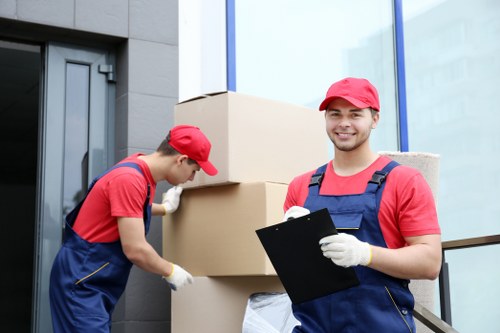 At Maida Vale Movers, sustainability is built into how we plan, pack, load, and transport every move. Our approach to recycling in Maida Vale is designed to reduce waste, keep reusable items in circulation, and support cleaner journeys across the local area. We aim for a minimum 85% recycling and reuse rate for suitable non-hazardous move-related materials, with a long-term target of 90% as we improve sorting, recovery, and donation pathways.
We know that moving generates more than boxes alone. Old furniture, packing paper, bubble wrap, broken household items, outdated electronics, and general clutter can all build up during a relocation. Our Maida Vale recycling service prioritises separating materials at source so that cardboard, paper, plastics, metals, and wood are handled in the most responsible way possible. Wherever practical, we encourage reuse before recycling, because the greenest item is often the one that never reaches a waste stream in the first place.
The West London boroughs surrounding Maida Vale have increasingly clear expectations around waste separation, and our operations reflect that local reality. Paper and card are kept apart from mixed waste, hard plastics are treated differently from soft film packaging, and metals are sorted to support recovery. By aligning our moving processes with the boroughs’ approach to waste separation, Maida Vale Movers recycling helps reduce contamination and increases the chance that materials are actually reprocessed rather than rejected.
Local Recycling Routes and Responsible Disposal
 A key part of our sustainability model is using local transfer stations and licensed waste facilities near central and west London. These sites help us direct material quickly into the right stream, whether that means reuse, materials recovery, or compliant disposal. By selecting nearby transfer stations, we reduce unnecessary mileage and support a more efficient recycling process in Maida Vale. This is especially useful for bulky items such as shelving, wardrobes, mattresses, and mixed household goods that require careful sorting before onward handling.
We also keep close attention to what can be separated on site. Cardboard boxes are flattened and consolidated, clean paper is grouped for paper recycling, and metal fittings are removed from larger items where possible. Furniture with a second life may be diverted away from disposal altogether, while items that cannot be reused are assessed for recyclable components. This practical approach supports both the local environment and the wider goal of lowering the amount of material sent to landfill.
For residents and businesses in the area, this means the Maida Vale waste recycling process is not treated as an afterthought. It is folded into the move from the start, so packing and loading are planned with recovery in mind. Even small changes, such as separating clean cardboard from food-contaminated packaging, can make a meaningful difference to the quality of the recycled output.
Partnerships with Charities and Reuse Organisations
 A sustainable move is not only about recycling; it is also about giving useful items a longer life. Maida Vale Movers works with local charities and reuse organisations to identify items that can be passed on for community benefit. Good-quality sofas, tables, kitchenware, books, and office furniture may be redirected for donation where appropriate, helping to reduce waste while supporting households and community groups that can make use of them.
These partnerships are especially valuable in a neighbourhood where many moves involve high-quality furnishings, student relocations, and downsizing. Items that no longer suit one property may be exactly what another organisation needs. By building reuse into the moving process, our Maida Vale sustainability strategy keeps resources in circulation for longer and reduces pressure on local disposal systems.
We also recognise that some belongings require careful handling before donation. Soft furnishings may need checking for condition and safety, while electrical items need to be assessed for usability and compliance. When a donation is not suitable, we still look for the most responsible route, favouring recycling over disposal wherever possible. This layered approach helps us maintain high standards across every move and supports a more circular local economy.
Low-Carbon Vans and Smarter Transport
Another major part of our environmental commitment is transport. Our fleet includes low-carbon vans designed to reduce emissions compared with older, less efficient vehicles. We schedule routes carefully to avoid unnecessary idling and to limit repeated journeys, which helps cut fuel use and supports cleaner air in and around Maida Vale. For a busy urban area, these operational details matter just as much as recycling itself.
The same thinking applies to load planning. Efficiently packed vans carry more in fewer trips, which means less congestion and a smaller carbon footprint. We also review each move to identify opportunities for better consolidation, route selection, and timing. In practice, this means the Maida Vale movers sustainability plan goes beyond simple disposal choices and looks at the entire chain of movement from collection to final destination.
Where appropriate, we favour recyclable packing materials and reusable moving supplies to minimise waste on every job. Durable crates, blankets, and straps can often be used repeatedly, while single-use items are reduced wherever feasible. This combination of better vehicle efficiency and smarter material use allows our Maida Vale eco moving approach to stay practical without compromising service quality.
A Practical Commitment to a Cleaner Maida Vale
 Sustainability is most effective when it is routine rather than occasional. That is why our recycling and reuse procedures are embedded into everyday operations, from the first item lifted to the final collection point. We monitor material outcomes, improve separation methods, and aim to keep raising our recycling percentage target as our systems become even more efficient. Our focus remains on responsible recycling in Maida Vale, less waste, and better use of resources across the moving process.
This commitment also reflects the character of the surrounding boroughs, where waste separation and environmental responsibility are increasingly part of local life. By working with transfer stations, charity partners, and a low-carbon fleet, we help make moving less wasteful and more community-minded. It is a straightforward idea with real impact: move well, waste less, and keep useful materials in use for as long as possible.
 For Maida Vale Movers, sustainability is not a slogan. It is a working method that combines recycling, reuse, careful sorting, and lower-emission transport into one practical service. Whether the task involves cardboard, furniture, metals, or mixed household items, our goal is always the same: deliver a smoother move while supporting a cleaner, more resourceful neighbourhood.